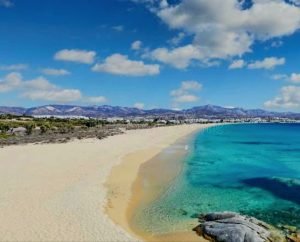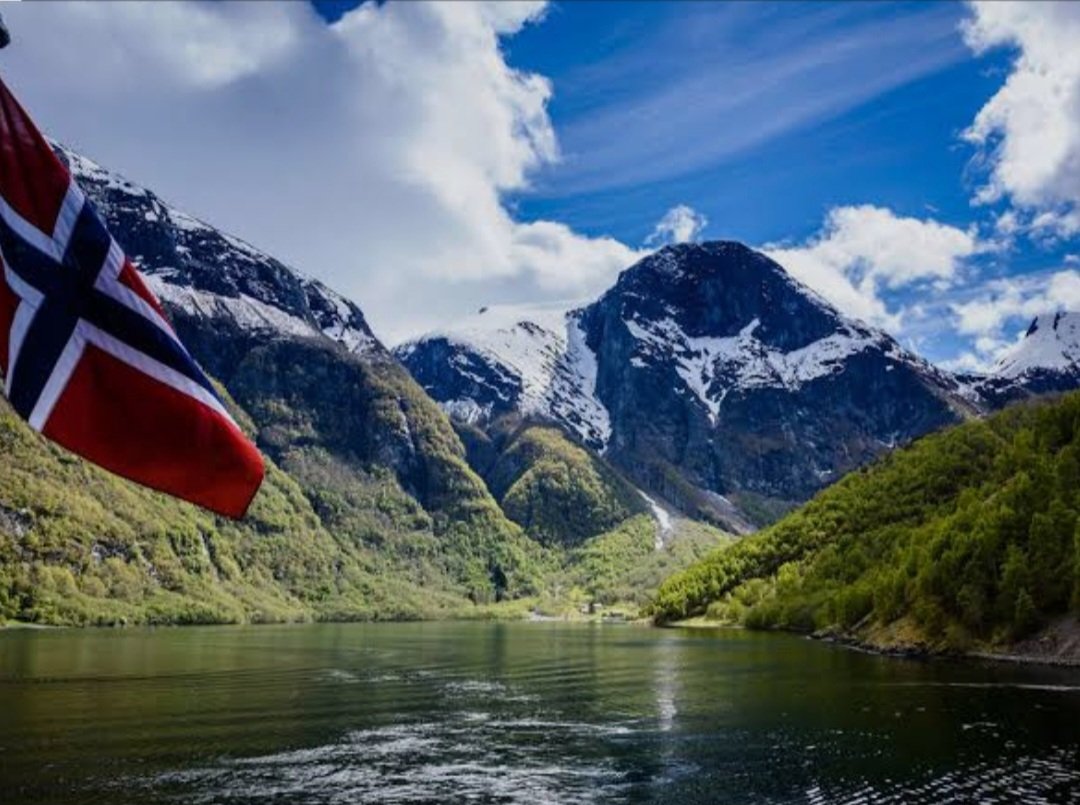
Welcome to the era of the “Coolcation.”
As record-breaking heatwaves and “medicanes” (Mediterranean cyclones) become the new normal in Southern Europe, travelers are staging a Great Northern Migration. Search interest in “coolcations” has skyrocketed by over 3,500% since 2024, signaling that the “fleece jacket summer” is officially the new luxury.
Here is why everyone is swapping the Mediterranean for Scandinavia this summer—and why you should, too.
1. The “Heat Escape”: Why 25°C is the New 40°C
For decades, the goal of summer travel was to get as hot as possible. But after the “Great Meltdown” summers of 2024 and 2025—where temperatures in Rome and Madrid frequently topped 45°C (113°F)—the novelty has worn off.
In 2026, travelers are prioritizing thermal comfort. In Scandinavia, summer temperatures typically hover between a blissful 18°C and 25°C.
- Mediterranean: Heat exhaustion, closed tourist sites due to “red alerts,” and reliance on indoor AC.
- Scandinavia: Fresh Arctic air, comfortable hiking conditions, and the ability to be outside all day without physical strain.
2. The Rise of “Noctourism” and the Midnight Sun
One of the most viral trends of 2026 is Noctourism—travel centered around the night. In the Mediterranean, this is a survival tactic to avoid the midday sun. In Scandinavia, it’s a celestial celebration.
In places like Tromsø, Norway, or Kiruna, Sweden, the sun doesn’t set for weeks. This “Midnight Sun” phenomenon effectively doubles your vacation time. You can hike the Lofoten Islands at 2:00 AM in broad daylight, paddle through glass-like fjords under a golden sky, or enjoy a “night” picnic on a Swedish archipelago.
3. “Shelf Discovery” and the Scandi Lifestyle
The viral “Shelf Discovery” trend—where travelers skip the museums to explore local grocery stores and everyday life—thrives in Scandinavia. Travelers are obsessed with:
- Fika Culture (Sweden): The ritual of slowing down for coffee and cardamom buns.
- Hygge (Denmark): Finding cozy contentment in the simple things.
- Friluftsliv (Norway): The “open-air life” philosophy that prioritizes nature above all else.
Unlike the overcrowded “tourist menus” of Venice or Santorini, Scandinavian cities offer a more integrated, authentic experience where you feel like a local, not just a visitor.
The Top “Coolcation” Destinations for 2026
| Destination | Best For… | Viral Highlight |
|---|---|---|
| Lofoten Islands, Norway | Adventure & Photography | Iconic red fishing huts (Rorbuer) |
| Gothenburg, Sweden | Foodies & Sustainable Travel | Car-free island hopping in the archipelago |
| Nuuk, Greenland | Extreme Isolation | The world’s “coolest” new capital (with a new airport!) |
| Faroe Islands, Denmark | Moody Landscapes | Dramatic cliffs and 10:1 sheep-to-human ratio |
| Helsinki, Finland | Design & Wellness | Public saunas and “Midnight Sun” lake swims |
4. Avoiding “Overtourism” Fatigue
The Mediterranean is currently grappling with severe overtourism. From entry fees in Venice to protest-blocked beaches in Mallorca, the “traditional” summer spots are reaching a breaking point.
Scandinavia, by contrast, offers vastness. Even as its popularity grows, the region’s geography allows travelers to spread out. You can spend an entire day trekking through Sweden’s Abisko National Park without seeing another soul. In 2026, silence and space have become the ultimate status symbols.
5. The “Layering Principle” replaces the Bikini
The fashion of summer travel has changed. The “Coolcation” has birthed a new aesthetic: Gorpcore. Instead of packing five different swimsuits, the 2026 traveler is investing in:
- Merino Wool Base Layers: Essential for temperature regulation.
- Lightweight Shells: To handle the unpredictable (but refreshing) Nordic rain.
- Soft-shell Duffels: Perfect for the road trips and train travel that define a Scandi summer.
6. Sustainable Travel as a Priority
Scandinavian countries consistently lead the world in green initiatives. From Copenhagen’s bike-first infrastructure to Norway’s electric ferry fleets, “Coolcations” appeal to the eco-conscious traveler of 2026. Choosing a northern destination often means a lower carbon footprint for local transport and supporting tourism boards that actually prioritize environmental preservation over mass-market growth.
How to Plan Your First Coolcation
If you’re ready to swap the sweat for the swell, here are three quick tips:
- Book the “Arctic Train”: Take the night train from Stockholm to Swedish Lapland. It’s one of the most scenic (and sustainable) routes in the world.
- Go “Off-Base”: Don’t just stay in Oslo or Copenhagen. Use them as jump-off points to smaller villages like Balestrand or the Åland Islands.
- Embrace the Water: The water is cold, but “wild swimming” is a rite of passage. In Finland, follow your dip with a traditional sauna to get the full experience.
Is the Mediterranean “Over”?
Not exactly. The trend is shifting toward “Off-Seasoning.” Savvy travelers are visiting Rome, Athens, and Ibiza in October through March when the weather is mild and the crowds have vanished. But for July and August? The North is winning.
The “Coolcation” isn’t just a trend; it’s a necessary adaptation to a changing climate. It’s a reminder that beauty doesn’t always require a sunburn, and sometimes, the best way to recharge is to head where the air is crisp and the sun never sets.
Coolcation is the best choice in summer as excessive heat swapping due to global warming.