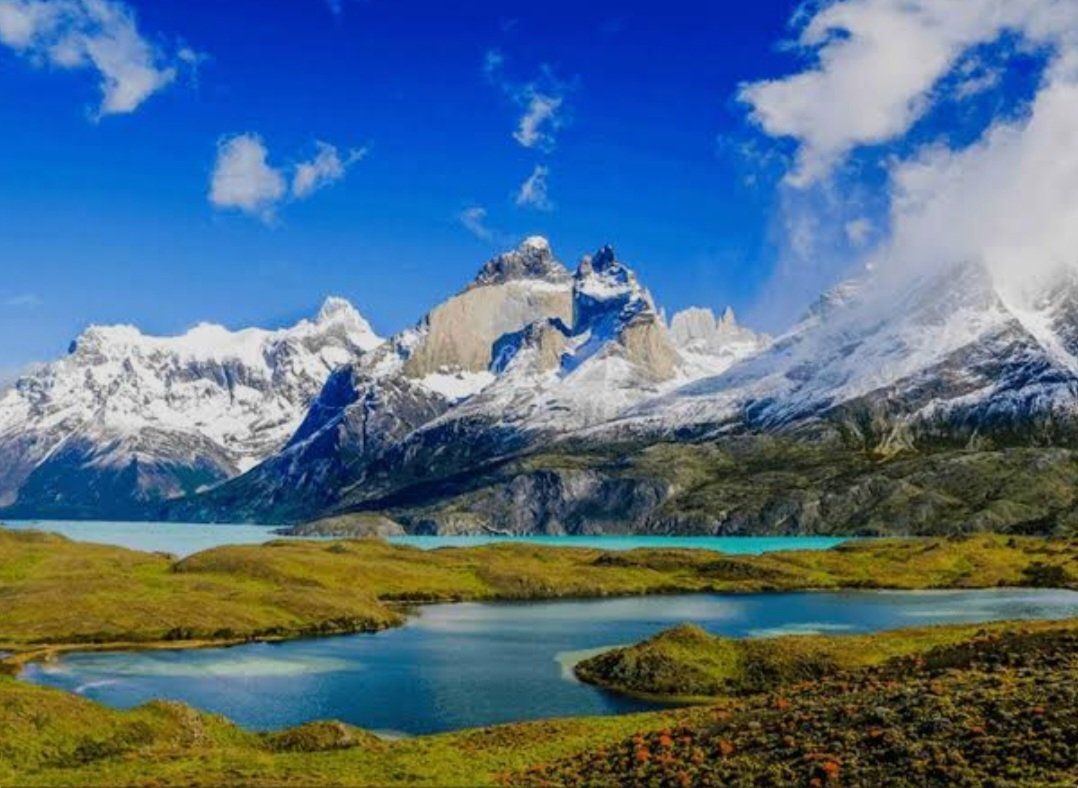
Patagonia is not just a destination; it is a rite of passage. Spanning the southern ends of Chile and Argentina, this rugged frontier of jagged peaks, turquoise glacial lakes, and relentless winds provides the ultimate playground for the solo male adventurer.
Whether you are looking to test your physical limits on the Huemul Circuit or find solitude beneath the spires of Fitz Roy, traveling solo allows you to move at your own pace and immerse yourself fully in the wild. The guide breaks down everything you need to conquer the “End of the World” in 2026.
Why Patagonia is the Ultimate Solo Challenge?
Solo travel in Patagonia is about self-reliance. While the trails are world-class, the weather is famously unpredictable—experiencing four seasons in a single hour is the norm. For the solo male traveler, the region offers a perfect balance: the infrastructure is safe and reliable, yet the vastness provides a genuine sense of isolation and adventure.
Step 1: Choosing Your Base Camp
Patagonia is massive. To maximize your time, focus on these two primary adventure hubs:
1. El Chaltén, Argentina (The Hiking Capital)
Best For: Spontaneity and solo social vibes.
The Vibe: A small, walkable mountain village where every trail starts right at the edge of town.
Solo Perks: No need for expensive shuttles. You can grab a craft beer at La Cervecería and easily meet fellow solo trekkers to team up for the next day.
2. Puerto Natales, Chile (The Gateway to Torres del Paine)
Best For: Iconic, multi-day expeditions.
The Vibe: A bustling port town where everyone is prepping for the “W” or “O” treks.
Solo Perks: Highly organized gear rental shops and daily “trekking briefings” at local hostels.
Step 2: Top Trekking Routes for Solo Explorers
From moderate day hikes to grueling multi-day circuits, here are the routes you need on your radar.
The Iconic Choice: The W-Trek (Torres del Paine)
Duration: 4–5 Days
Difficulty: Moderate
Why Solo? It’s the most social trail in Patagonia. You’ll stay in refugios (mountain lodges) where you share meals and stories with travelers from around the globe. It’s impossible to feel lonely here.
The Hardcore Choice: The Huemul Circuit (El Chaltén)
Duration: 4 Days
Difficulty: Expert
Why Solo? This is for the experienced navigator. It involves river crossings via ziplines and steep descents over moraines. It offers the most spectacular view of the Southern Patagonian Ice Field without the crowds of the W-Trek.
The Photographer’s Choice: Laguna de los Tres (Fitz Roy)
Duration: Day Hike (8–10 hours)
Difficulty: Challenging (steep final ascent)
Why Solo? Catching the sunrise at the base of Fitz Roy is a spiritual experience. Going solo means you can start at 3:00 AM without worrying about anyone else’s pace.
Step 3: The Essential Solo Male Packing List (2026 Edition)
In Patagonia, gear isn’t just about comfort—it’s about safety. Use a three-layer system to manage the extreme wind and temperature shifts.
The Technical Clothing
Base Layer: 2x Merino wool long-sleeve tops (moisture-wicking and odor-resistant).
Mid-Layer: A technical fleece or a “Nano-Puff” insulated jacket.
Outer Shell: A high-quality GORE-TEX waterproof and windproof jacket. This is your most important investment.
Pants: 2x pairs of synthetic hiking pants (convertible pants are great for temperature regulation).
The Gear
Footwear: Mid-cut waterproof hiking boots (must be broken in before you arrive).
Pack: A 50–65L internal frame pack for multi-day treks; a 20L daypack for El Chaltén.
Tech: A satellite messenger (like Garmin inReach) is highly recommended for solo hikers on remote trails.
Protection: Polarized sunglasses and high-SPF sunblock. The hole in the ozone layer means the sun here is punishing, even when it’s cold.
Step 4: Step-by-Step Guide to Planning Your Trip
Book 6 Months Early: If you want to do the W-Trek or O-Circuit, campsites and refugios in Torres del Paine sell out months in advance for the peak season (December–February).
Fly into the Right Hub: Fly to El Calafate (FTE) for the Argentine side or Puerto Natales (PNT) for the Chilean side.
Check the Wind: Download the Windy.com app. Wind speeds in Patagonia can exceed 100km/h, occasionally closing trails.
Register with Park Rangers: Especially if doing the Huemul Circuit, you must register at the National Park office in El Chaltén. It’s free and could save your life.
Withdraw Cash: While many places in 2026 accept cards, small towns often have ATM outages. Carry Chilean and Argentine Pesos for emergencies.
Safety Tips for the Solo Man
Know Your Limits: Don’t try to “power through” a storm. If the wind is too high on a mountain pass, turn back.
Hydration: You can drink straight from the glacial streams in most parts of the parks—it’s the freshest water you’ll ever taste.
Stay Connected: Always leave your trekking itinerary with your hostel or hotel front desk before heading out solo.
Conclusion
Patagonia is one of the few places left on Earth where you can truly feel the scale of nature. For the solo male traveller, it offers a rare opportunity to disconnect from the digital noise and reconnect with a sense of raw adventure. Pack light, respect the wind, and prepare for the journey of a lifetime.