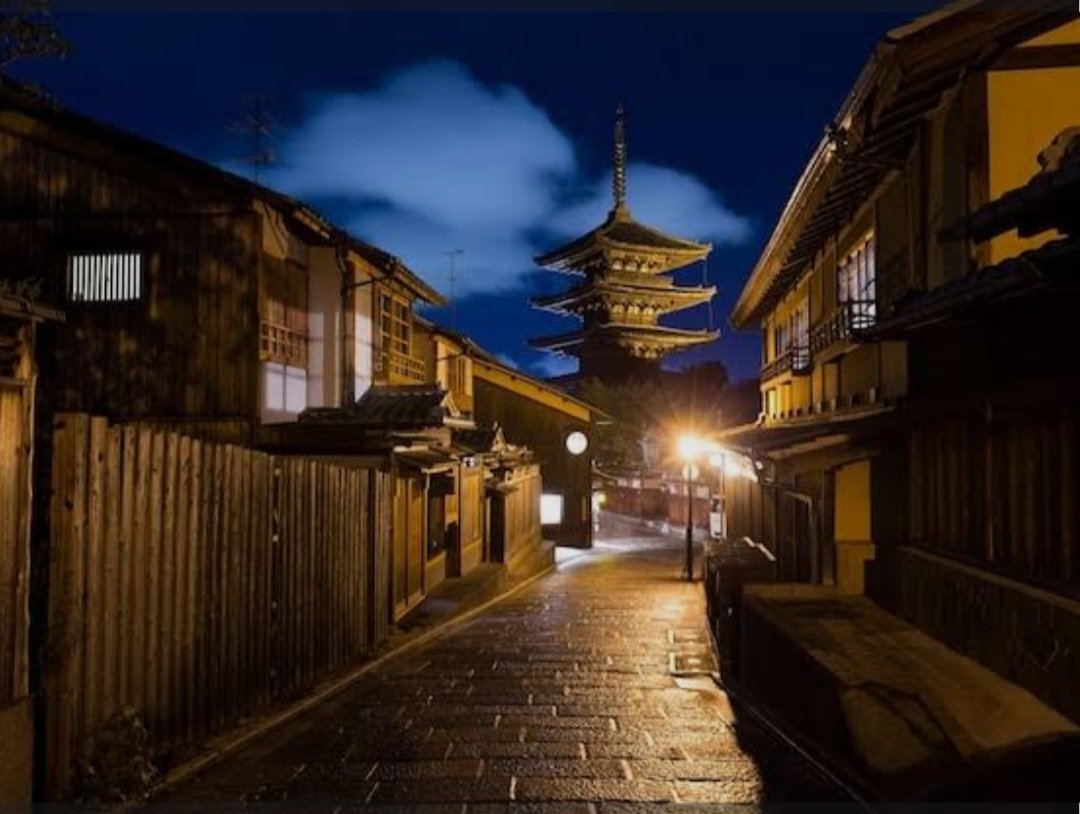
Kyoto is a city of two souls. By day, it is a bustling, neon-adjacent metropolis where the “must-see” temples are often obscured by a sea of selfie sticks and tour flags. But as the clock strikes 9:00 PM, a metamorphosis occurs. The day-trippers retreat to their hotels in Osaka, the souvenir shutters clang shut, and the ancient capital finally exhales.
For the modern traveler, the “9:00 PM Rule” isn’t just a preference—it’s a strategy. If you want to experience the haunting, cinematic beauty of Japan’s cultural heart without the claustrophobia of over-tourism, you have to embrace the dark. Here is why I’ve traded my sunrise alarms for moonlight strolls, and how you can master the art of late-night Kyoto. Outstanding night in Kyoto can be experienced after 9:00 PM.
1. The Silence of the Thousand Gates (Fushimi Inari)
While most guides suggest hitting Fushimi Inari-taisha at 6:00 AM to beat the crowds, there is a better way. At 10:00 PM, the “thousand vermillion torii gates” are not just empty—they are transformative.
The shrine is open 24 hours, and the night lighting casts long, eerie shadows that make the fox statues (Kitsune) look like they might actually blink. Walking the mountain path at night offers a sensory experience that the daylight version lacks: the scent of damp cedar, the distant chime of wind bells, and the rhythmic crunch of your own footsteps. It’s not just a photo op; it’s a meditation.
2. The Gion Ghost Walk
Gion is famous for its preserved machiya architecture and the elusive Geisha (Maiko). During the day, Hanami-koji Street is packed to the brim. After 9:00 PM, the crowds vanish, leaving behind a neighborhood that looks like a film set from the Edo period.
This is the best time for night photography. The lanterns of the tea houses reflect off the cobblestones, and the Shira-kawa canal glimmers under the willow trees. Yasaka Shrine, located at the end of Shijo-dori, stays open 24 hours. The hundreds of lanterns hanging in its central pavilion are illuminated all night, providing a golden glow that makes the vermillion wood pop against the midnight sky.
3. Late-Night Culinary Secrets
Sightseeing works up an appetite, and Kyoto’s late-night food scene is where the “real” city lives. While high-end kaiseki spots close early, the izakayas and ramen shops are just warming up.
- Ramen Miyoshi: Located in the Sanjo area, this legendary spot is open until 6:00 AM. Their rich Tonkotsu broth is the ultimate fuel for a night owl.
- Pontocho Alley: While many restaurants here are pricey, wandering the narrow alley after 9:30 PM allows you to find hidden standing bars and sake dens that cater to locals and late-night workers.
- The Kamogawa River: Follow the lead of Kyoto’s youth. Grab a local craft beer or a warm tea from a 7-Eleven and sit on the banks of the Kamo River. It’s the city’s communal living room, and at night, the “Kamo River Delta” is the perfect place to watch the city lights dance on the water.
4. Special Seasonal Illuminations (2026 Edition)
If you are visiting in the Spring or Autumn of 2026, the “after dark” experience reaches its peak. Major landmarks like Kiyomizu-dera and Toji Temple hold special night openings.
- **Toji Temple (Spring 2026): From mid-March to mid-April, the five-story pagoda—the tallest in Japan—is illuminated alongside hundreds of weeping cherry blossoms.
- Kiyomizu-dera: During peak seasons, the temple stays open until 9:30 PM. Seeing the “Blue Dragon” light beam shoot across the city from the wooden stage is a bucket-list experience that feels significantly more magical in the crisp night air.
Why the Night Owl Wins: The Benefits
- No Crowds: You’ll have the most iconic spots in Japan all to yourself.
- Superior Lighting: The soft glow of lanterns is far more flattering for architecture (and skin!) than the harsh midday sun.
- Perfect Temperature: Kyoto can be sweltering; the night breeze is a traveler’s best friend.
- Authenticity: You see the city as it is, not as a tourist attraction.
Night Owl Pro-Tips
- Transport: The subway and buses stop around midnight. Plan your route so you can walk back to your accommodation or be prepared to use a taxi/rideshare.
- Safety: Kyoto is incredibly safe, even at 3:00 AM. However, always remain aware of your surroundings and respect the quiet zones in residential neighborhoods.
- Etiquette: Remember that late-night sightseeing requires a lower volume. Many of these sites are active places of worship or quiet residential areas.
Conclusion
Kyoto isn’t a museum to be checked off a list; it’s a feeling to be absorbed. By choosing to sightsee after 9:00 PM, you move past the “tourist” label and become a witness to the city’s true character. Whether it’s the glowing lanterns of Gion or the silent mountain paths of Inari, the best of Kyoto only reveals itself once the sun goes down.