:
In a world where climate volatility, rising sea levels, and ecological tipping points are no longer future predictions but current headlines, the way we travel has changed. We aren’t just looking for “pretty” places anymore; we are looking for witness. We want to see the majesty of the Earth while it still looks the way it was meant to.
If you’ve been waiting for the “perfect time” to book that bucket-list trip, this is your sign. Here are 15 natural wonders that are changing—fast—and why you need to see them now.
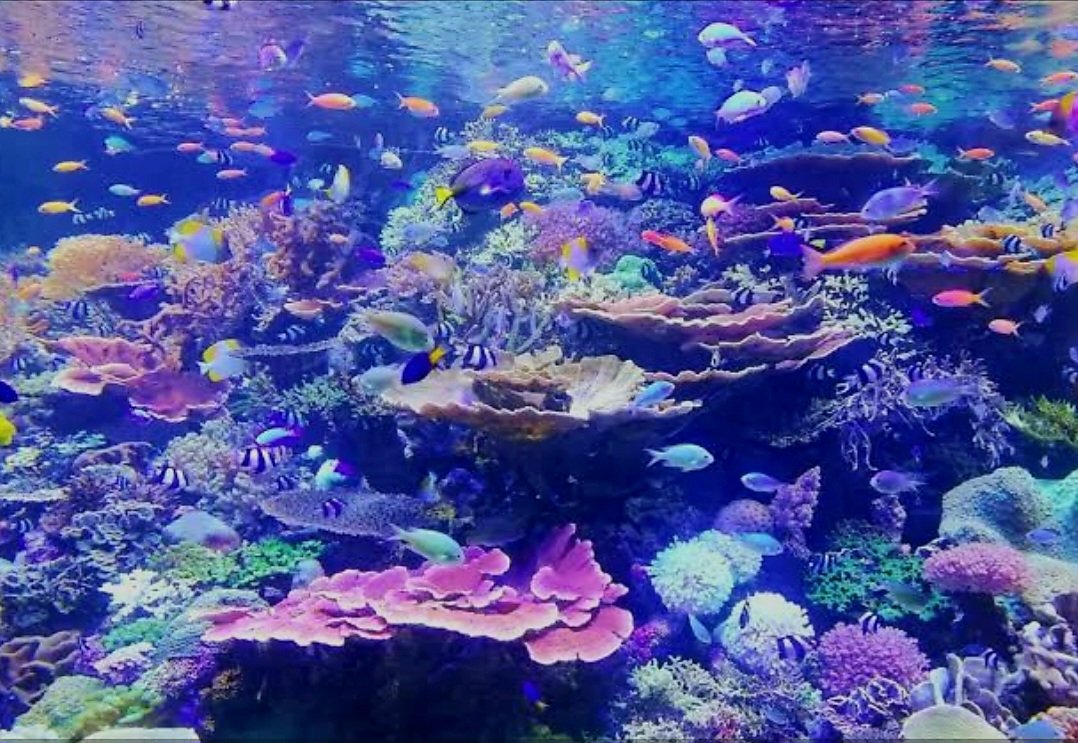
1. The Great Barrier Reef, Australia
The world’s largest coral reef system is currently in a fight for its life. While restoration efforts are heroic, back-to-back bleaching events have altered the vibrant kaleidoscope of colors.
- The Change: Rising ocean temperatures are turning neon corals white.
- Visit For: The chance to see the “Amazon of the Ocean” and support regenerative tourism operators who are replanting the reef.
2. Glacier National Park, USA
In the late 1800s, this park had over 150 active glaciers. Today, fewer than 25 remain. At the current rate of melt, scientists predict the park’s namesakes could be gone within our lifetime.
- The Change: Rapid glacial retreat is turning ice-blue peaks into rocky slopes.
- Visit For: The “Going-to-the-Sun Road” views that will look vastly different in a decade.
3. The Dead Sea, Jordan & Israel
The lowest point on Earth is literally sinking. The water level is dropping by over one meter every year, leaving behind surreal salt formations and dangerous sinkholes.
- The Change: Water diversion and evaporation are causing the shoreline to recede at an alarming rate.
- Visit For: The unique buoyancy and mineral-rich mud before the “sea” becomes a collection of small salty ponds.
4. The Amazon Rainforest, Brazil & Peru
Often called the “Lungs of the Planet,” the Amazon is reaching a “dieback” tipping point. Deforestation and shifting rainfall patterns are threatening to turn parts of this lush jungle into dry savannah.
- The Change: A loss of biodiversity and the thinning of the dense green canopy.
- Visit For: An immersive eco-lodge experience in the heart of the world’s most diverse ecosystem.
5. The Maldives
This postcard-perfect archipelago is the lowest-lying country in the world. With its highest point only 2.4 meters above sea level, rising oceans aren’t just a threat—they are an existential crisis.
- The Change: Rising sea levels are slowly reclaiming the white-sand beaches.
- Visit For: Overwater bungalows and world-class diving before the islands require massive sea walls to stay afloat.
6. Antarctica
The “Final Frontier” is warming faster than almost anywhere else on the planet. Massive ice shelves, like the Thwaites (the “Doomsday Glacier”), are showing signs of structural instability.
- The Change: Accelerated melting and a change in penguin migration patterns.
- Visit For: The silence of the icy wilderness and the scale of the icebergs that defy imagination.
7. The Pantanal, Brazil
The world’s largest tropical wetland is a hidden gem often overshadowed by the Amazon. However, record-breaking wildfires and droughts are threatening the jaguars and macaws that call it home.
- The Change: Vegetation loss could reach a point of no return by 2050.
- Visit For: The best wildlife spotting in South America—especially the elusive jaguar.
8. Venice, Italy
While technically a city, Venice’s “natural wonder” is its relationship with the lagoon. The Acqua Alta (high water) events are becoming more frequent and severe, threatening the very foundations of the city.
- The Change: Permanent flooding risks and the increasing use of the MOSE barrier system.
- Visit For: A gondola ride through history before the “Floating City” becomes a submerged one.
9. The Galápagos Islands, Ecuador
This living laboratory of evolution is facing a double threat: invasive species and warming El Niño currents that disrupt the food chain for sea lions and iguanas.
- The Change: Strict new visitor caps (limiting Komodo and Galápagos access) are being implemented in 2026 to save the ecosystem.
- Visit For: Wildlife that has no fear of humans—a truly unique experience.
10. Victoria Falls, Zambia & Zimbabwe
The “Smoke that Thunders” was silenced during a record drought in recent years. While the water has returned, the flow is becoming increasingly unpredictable.
- The Change: Extreme weather cycles are making the “peak flow” season harder to predict.
- Visit For: The sheer power of a kilometer-long curtain of falling water.
11. Sundarbans Mangrove Forest, India & Bangladesh
Home to the Royal Bengal Tiger, this is the world’s largest mangrove forest. It acts as a natural shield against cyclones, but that shield is eroding.
- The Change: Rising salinity in the water is killing the trees and forcing tigers into closer contact with humans.
- Visit For: A misty boat safari through the most mysterious forest on Earth.
12. Mount Kilimanjaro, Tanzania
The “Snows of Kilimanjaro” are becoming a thing of the past. The iconic ice cap that has sat atop Africa’s highest peak for 11,000 years has shrunk by over 85% since 1912.
- The Change: The summit’s glaciers are predicted to disappear entirely by the 2030s.
- Visit For: The chance to stand on the “Roof of Africa” while it’s still white.
13. Madagascar’s Spiny Forests
With 92% of its mammals found nowhere else on earth, Madagascar is a biodiversity treasure. However, “slash and burn” agriculture is shrinking the habitat of the lemurs every day.
- The Change: Rapid forest degradation is pushing unique species toward extinction.
- Visit For: The baobab trees and the lemurs that look like they belong in a storybook.
14. Komodo National Park, Indonesia
The home of the world’s largest lizard is grappling with “overtourism.” Starting in April 2026, a strict daily limit of 1,000 visitors is expected to be enforced to protect the dragons’ habitat.
- The Change: Restricted access and increased conservation fees to maintain the park.
- Visit For: A face-to-face encounter with a real-life dragon.
15. The Alps, Europe
Europe’s famous ski slopes are seeing shorter seasons and retreating glaciers. Low-altitude resorts are already transitioning to “summer-only” hiking destinations as the snow line moves higher.
- The Change: The loss of year-round glacial skiing and a shift in the Alpine landscape.
- Visit For: The classic peaks like the Matterhorn and Mont Blanc while the glaciers still drape over them like velvet.
Conclusion:
Seeing these wonders before they change doesn’t have to mean contributing to their demise. In 2026, the trend is Regenerative Travel. This means choosing operators who use carbon offsets, staying longer in one place to reduce flight emissions, and supporting local conservation efforts.
We are the last generation to see some of these places in their “original” state. Let’s make sure our visit leaves them better, not worse. The world is changing, but its beauty—however fragile—is still worth the journey.