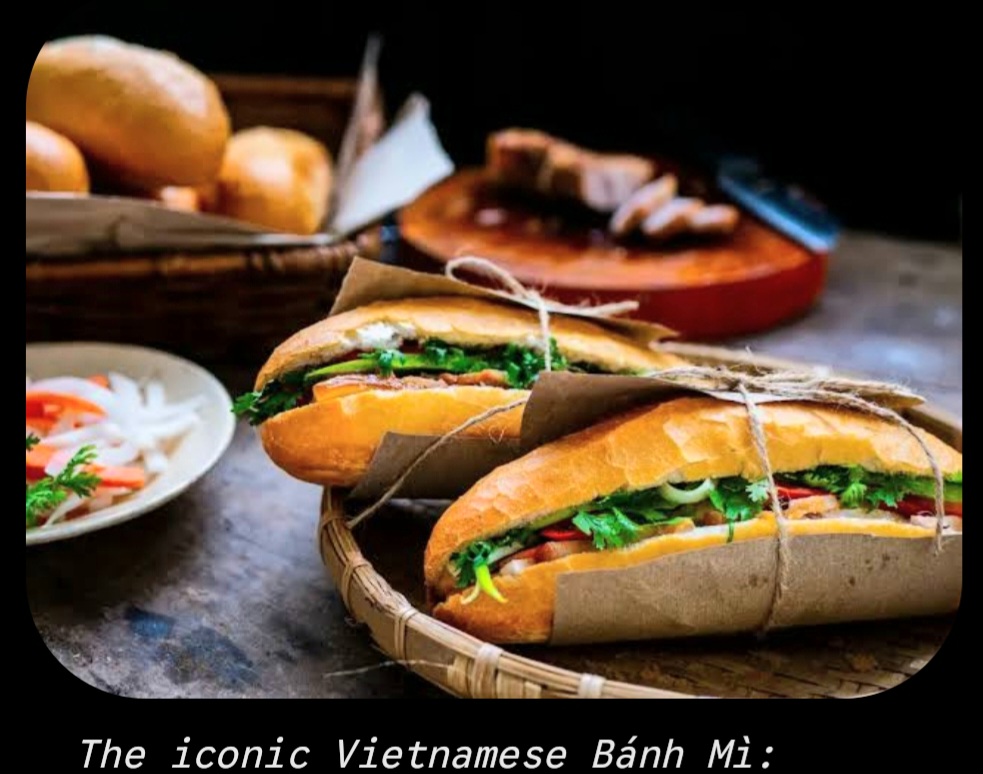
I am standing on a rain-slicked sidewalk in Hanoi, perched on a blue plastic stool so low my knees are practically hugging my chest. Motorbikes roar past just inches away, their headlights cutting through the rising steam of a dozen boiling cauldrons. A woman, whose face carries the quiet wisdom of someone who has mastered a single craft over forty years, hands me a chipped ceramic bowl. Inside is Phở Bò (beef noodle soup). Total cost? About $1.50.
Cut to forty-eight hours later. I am sitting in a beautifully restored colonial mansion in Ho Chi Minh City. The lighting is low and dramatic, jazz plays softly in the background, and a white-gloved server places a minimalist ceramic plate in front of me. It is a deconstructed, molecular interpretation of that exact same street food classic, featuring wagyu beef foam and a bone-marrow infusion. Total cost? Upwards of $150.
Vietnam is a country caught in a magnificent culinary tug-of-war. On one side stands its legendary, unapologetic street food scene—a gritty, fast-paced world of family recipes passed down through generations. On the other side is a rapidly exploding fine-dining revolution, catalyzed by the arrival of the Michelin Guide, which is transforming traditional flavors into luxury gastronomy.
As a lifelong food traveler, I went to Vietnam with one burning question: Between the humble sidewalk stalls and the glitzy, high-end tasting menus, which one would hand me the absolute best meal of my life?
The answer surprised me, and it might change the way you plan your next trip.
The oThere is an unspoken rule when eating your way through Vietnam: the lower the stool, the better the food.
Street food in Vietnam isn’t just a cheap way to fuel up; it is the heartbeat of the nation’s culture. Life here happens outdoors, on the pavement, over shared tables and shared condiments.
The Contender: Bún Chả on the Sidewalks of Hanoi
My journey into the soul of Vietnamese street food peaked in a narrow alleyway away from the main tourist paths. I followed the scent of sweet, smoky charcoal smoke straight to a woman fanning pork patties over open embers.
Within minutes, my table was flooded with plates:
A bowl of warm, fish-sauce-based broth floating with grilled pork belly and green papaya slices.
A mountain of fresh, tangled rice vermicelli noodles (bún).
A basket overflowing with perilla leaves, mint, cilantro, and lettuce.
A side dish of minced garlic and fiery bird’s-eye chilies.
Eating this is an interactive dance. You drop a nest of noodles into the broth, fish out a piece of smoky pork, wrap it all in a crisp herb leaf, and take a bite.
The balance was dizzying. It was sweet, sour, salty, savory, and incredibly fresh all at once. The fat from the pork melted into the sharp tang of the dipping sauce, while the raw herbs cut through the richness like a knife. It was chaotic, loud, and intoxicatingly delicious. Eating there, swatting away the occasional stray napkin while the city buzzed around me, felt entirely electric.
The Fine Dining Case: Innovation, Elegance, and Storytelling
For decades, international travelers viewed Vietnamese cuisine strictly through the lens of cheap eats. But the country’s modern culinary economic boom has changed the game completely. A new wave of brilliant local and diaspora chefs are returning to Vietnam, armed with classic French techniques and global sensibilities, determined to prove that Vietnamese flavors belong on the world’s most prestigious stages.
The Verdict: Which Gave Me the Best Meal of My Life?
To declare a winner, I had to look past the price tag and the setting and focus entirely on the emotional impact of the food.
The fine-dining experience in Vietnam was objectively flawless. It blew my mind intellectually. It showed me what happens when creative geniuses treat historical recipes as high art. If you want an unforgettable, celebratory night out that challenges your palate, Vietnam’s luxury food scene is worth every single penny.
But the meal that fundamentally changed me? The meal that I still taste in my dreams? It happened on that tiny blue plastic stool.
There is an unparalleled magic to Vietnamese street food. It is a cuisine stripped of all pretension. When a dish has been cooked by the same family, using the exact same recipe, in the exact same spot for half a century, it achieves a level of soulfulness that cannot be engineered in a high-tech kitchen.
The street food didn’t need mood lighting, explanation from a sommelier, or expensive ingredients to impress me. It relied entirely on the explosive synergy of fresh herbs, perfectly balanced fish sauce, and a roaring fire. It was raw, honest, and completely unforgettable.
Street food didn’t just give me the best meal in Vietnam—it gave me one of the greatest culinary epiphanies of my entire life.