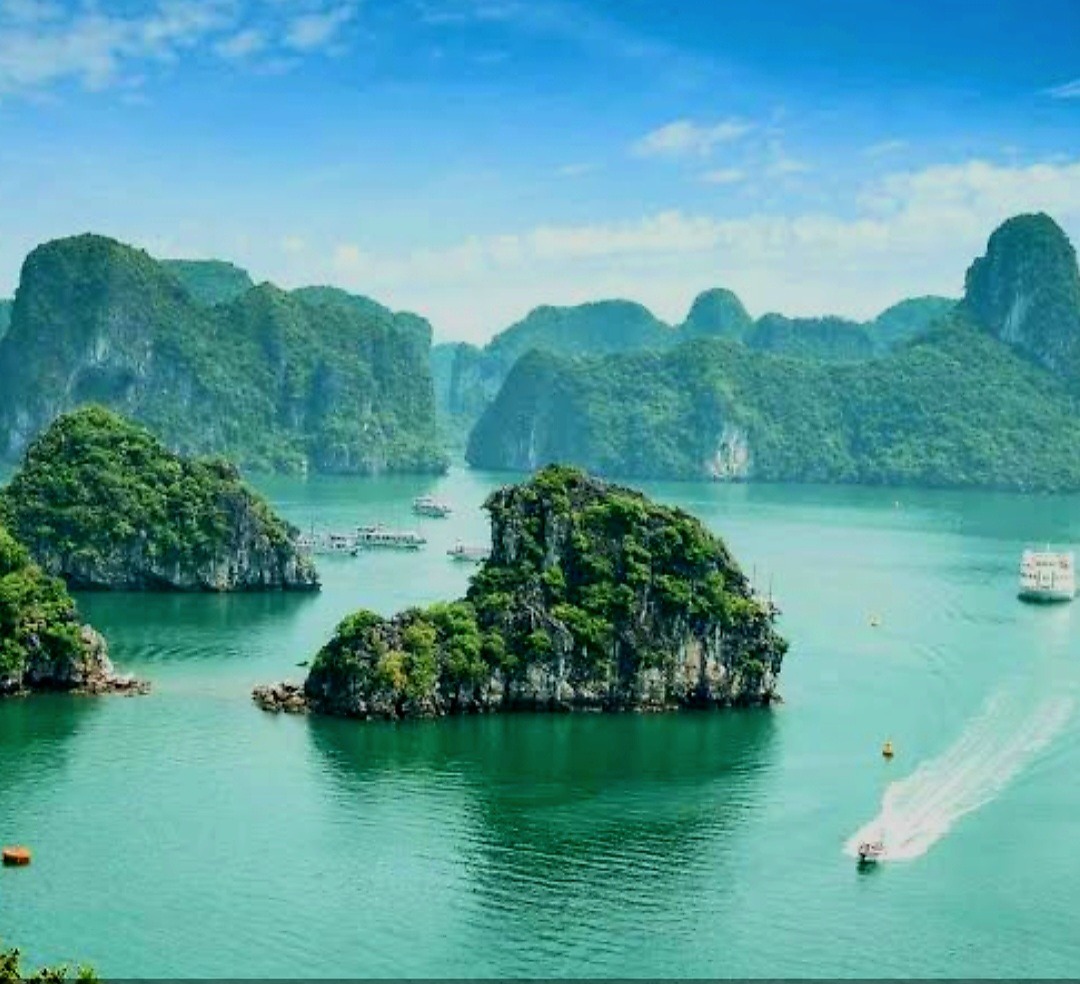
Vietnam continues to be one of Southeast Asia’s most accessible, culturally rich, and budget-friendly destinations. Spanning over 1,000 kilometers from the misty northern mountains to the tropical southern delta, this diverse country delivers world-class street food, ancient history, dramatic karst landscapes, and vibrant city nightlife.Vietnam travel is the most budget friendly travel now-a-days.
Traveling across Vietnam on a budget doesn’t mean cutting corners on experiences. With affordable public transit, inexpensive local eateries, and cheap hostel or guesthouse stays, you can comfortably explore the entire country from north to south in 12 days. Here is the ultimate budget itinerary covering Hanoi, Ha Long Bay, Da Nang, and Ho Chi Minh City.
Days 1 to 3: Historic Charm and Street Food in Hanoi
Your journey begins in Hanoi, Vietnam’s thousand-year-old capital. Known for its French-colonial architecture, chaotic traffic, and unmatched culinary scene, Hanoi is a dream start for budget travelers.
Start Day 1 in the Old Quarter, a maze of 36 historic streets where each lane was traditionally dedicated to a specific trade. Grab a traditional Banh Mi from a street cart for under $1.50 before taking a leisurely walk around Hoan Kiem Lake. At the center of the lake sits Ngoc Son Temple, accessible via the iconic red Huc Bridge. In the afternoon, explore the Temple of Literature, Vietnam’s first national university built in 1070. Conclude your evening at Bia Hoi Junction (Ta Hien Street), where locals and backpackers sit on tiny plastic stools to sip draft beer brewed daily for less than $0.50 a glass.
On Day 2, visit the Ho Chi Minh Mausoleum complex to view the resting place of Vietnam’s revolutionary leader. Nearby, check out the uniquely built One Pillar Pagoda and the peaceful Trach Quoc Pagoda along West Lake. For lunch, try Bun Cha—grilled pork patties served over cold rice noodles and fresh herbs—which costs around $2. Spend your afternoon wandering down the famous Hanoi Train Street, where trains squeeze past residential homes just inches from narrow outdoor cafes.
Dedicate Day 3 to deeper cultural immersion. Visit the Vietnam Museum of Ethnology to learn about the country’s 54 ethnic groups, or take a cooking class in the Old Quarter. Make sure to try Hanoi’s famous Egg Coffee (Cua Hang Caphe Giang) before taking an evening sleeper bus or preparing for your next destination.
Days 4 to 5: Cruising the Emerald Waters of Ha Long Bay
Located about 2.5 to 3 hours east of Hanoi, Ha Long Bay is a UNESCO World Heritage site featured on almost every traveler’s bucket list. Thousands of towering limestone karsts rise sharply out of emerald waters, creating a surreal landscape.
While luxury cruises can cost hundreds of dollars, budget-conscious travelers can easily book a 2-Day, 1-Night cruise package directly from tour operators in Hanoi’s Old Quarter. Look for mid-range or budget operators offering shared shuttle bus transport, accommodation on board, all meals, and key excursions for between $70 and $100 total.
On Day 4, board your boat at Tuan Chau Marina. As the vessel sails into the bay, enjoy a seafood lunch on deck. Most budget cruises take you to Sung Sot Cave (Surprise Cave), the largest cavern in Ha Long Bay, filled with intricate stalactites and stalagmites. In the late afternoon, climb to the viewpoint atop Ti Top Island for sweeping 360-degree views of the bay, followed by a swim on its small beach. End the evening with a sunset party on the top deck and squid fishing with the crew.
Day 5 starts with early morning Tai Chi on deck or simple relaxing as the sun rises over the karsts. Kayak through hidden lagoons and natural arches at Luon Cave before enjoying a early lunch onboard. Return to the harbor by noon, transfer back to Hanoi, and catch an evening budget flight (via airlines like VietJet) or an overnight train down to Da Nang.
Days 6 to 8: Coastal Vibes in Da Nang and Lanterns in Hoi An
Located in Central Vietnam, Da Nang offers a relaxed contrast to the dense bustle of Hanoi. Famous for wide sandy beaches, striking bridges, and modern beachfront promenades, it serves as the perfect mid-trip base.
On Day 6, wake up early to explore My Khe Beach, famous for its fine white sand and gentle waves. After a morning by the ocean, rent a scooter ($5–$7/day) or hire a Grab driver to climb the Marble Mountains—five marble and limestone hills filled with hidden caves, Buddhist sanctuaries, and sweeping coastal viewpoints. In the evening, head to the iconic Dragon Bridge, which breathes real fire and sprays water every Saturday and Sunday night at 9:00 PM. Treat yourself to a bowl of Mi Quang, Central Vietnam’s signature turmeric noodle dish, for less than $1.50.
Use Day 7 for a short 45-minute trip south to the ancient town of Hoi An. This UNESCO-listed port town is famed for its preserved yellow shop-houses, tailor shops, and hundreds of silk lanterns hanging across pedestrian streets. Explore the Japanese Covered Bridge, sample local specialties like Cao Lau noodles, and get custom clothes tailored at budget rates. When night falls, take a traditional wooden boat ride along the Hoai River to release a floating paper lantern for good luck.
Spend Day 8 exploring the high-altitude amusement resort at Ba Na Hills, home to the famous Golden Bridge supported by giant stone hands. Buying an entry ticket covers the world-record cable car ride and park access. Alternatively, budget purists can spend the day riding along the breathtaking Hai Van Pass, one of Asia’s most famous coastal mountain road trips.
Days 9 to 12: Modern Energy and History in Ho Chi Minh City
Fly south from Da Nang to Ho Chi Minh City (formerly Saigon), Vietnam’s commercial hub. Fast-paced, modern, and brimming with energy, Saigon offers a compelling mix of skyscrapers, historical landmarks, and bustling markets.
On Day 9, ground yourself in history with a visit to the War Remnants Museum, which offers a poignant look at the Vietnam War through military hardware, photojournalism, and exhibits. Walk down the street to tour the Reunification Palace, preserved exactly as it was when tanks crashed through its gates in 1975, marking the end of the war. Finish your afternoon photographing the French-colonial architecture of the Saigon Central Post Office and the nearby Notre Dame Cathedral. Spend your night sampling southern-style street eats around Bui Vien Walking Street.
Dedicate Day 10 to a half-day excursion to the Cu Chi Tunnels, located about 70 kilometers northwest of the city. These vast underground networks served as communication channels, supply routes, and living quarters for Viet Cong soldiers. Budget tours operate daily via shared buses for under $15 per person. You can crawl through small sections of the original tunnels to experience what underground life was like. Return to the city by mid-afternoon and dive into Ben Thanh Market to practice your bargaining skills for souvenirs and coffee beans.
On Day 11, take a full-day trip to the Mekong Delta. Tour operators offer affordable day trips to towns like My Tho or Ben Tre. Ride in sampan boats through narrow, coconut-lined canals, visit local workshops making coconut candy, and listen to traditional southern folk music before returning to Saigon.
Spend Day 12 packing, grabbing a final bowl of Pho, and picking up last-minute souvenirs before heading to Tan Son Nhat International Airport for your flight home.
Essential 2026 Budget Travel Tips for Vietnam
Visas: Most nationalities can apply for a 90-day multi-entry E-Visa online through the official Vietnamese government portal. Avoid unofficial third-party sites charging excessive service fees.
Transportation: Use ride-hailing apps like Grab or Gojek instead of street taxis to ensure fair, fixed pricing. For long-distance travel, overnight sleeper buses and sleeper trains save both travel time and the cost of a hotel night.
Money: The local currency is the Vietnamese Dong (VND). While high-end establishments accept cards, cash remains king at street stalls, markets, and smaller guesthouses. Keep small notes handy for daily transactions.
SIM Cards: Pick up an e-SIM or physical SIM card from providers like Viettel or Vinaphone at the airport for under $10 to access high-speed data nationwide.
Updated till 20th August,2026
N.B :- Flight prices are indicative and can change according to dates, departure city, airline and availability. Verify visa requirements with the destination’s official government/immigration website before booking.