Let’s be honest: we’ve all seen the same ten overcrowded beaches on our social media feeds. The towering resorts, the struggle to find a square inch of sand for your towel, and the endless sea of selfie sticks. But if you’re craving a true escape, there is another way.
Away from the tourist traps lie secret islands untouched by mass commercialization. These hidden island destinations offer something increasingly rare: absolute silence, pristine nature, and untouched beaches where the only footprints in the sand will be your own.
Whether you are an adventure seeker, a diver, or someone who simply wants to swing in a hammock under a canopy of coconut palms, these 10 secret islands around the world deserve a spot on your bucket list.
The World’s Best-Kept Island Secrets
Let’s dive into these ten breathtaking destinations, spanning from the dramatic volcanic cliffs of the Atlantic to the dazzling turquoise lagoons of the South Pacific.
🗺️ 10 SECRET ISLANDS AT A GLANCE
- Maupiti, French Polynesia
If you want to experience what Bora Bora looked like fifty years ago—before the mega-resorts and overwater bungalows took over—Maupiti is your holy grail.
Located in the Leeward Islands of French Polynesia, Maupiti is a miniature volcanic peak wrapped in a flawless turquoise lagoon. The island has a strict “no resorts” policy; instead, visitors stay in local family-run guesthouses (pensions). You can walk across the lagoon to deserted sandbanks (motus) at low tide, hike up Mt. Teurafaatiu for 360-degree views, and swim alongside giant manta rays in crystal-clear waters.
2. Fogo Island, Newfoundland, Canada
Not all dream islands are tropical. For those who find beauty in raw, untamed landscapes, Fogo Island sits at the edge of the Earth off the coast of Newfoundland.
Here, the North Atlantic crashes against dark, jagged rocks, and small fishing villages cling to the shoreline. Fogo is a haven for artists, filmmakers, and writers, largely thanks to the striking, modernist Fogo Island Inn and its artist studios that look like geometric sculptures resting on stilts. It is a place of moody fog, dramatic icebergsand deep, restorative quiet.
3. Pemba Island, Tanzania
While its sister island Zanzibar draws crowds of sunbathers, Pemba remains virtually untouched.
Known as the “Green Island,” Pemba is famous for its rolling hills covered in clove plantations, mango trees, and dense tropical forests. Because it is separated from the mainland by a deep channel, its surrounding coral reefs drop into the abyss, making it one of the premier (yet least visited) dive sites in East Africa. Expect miles of untouched beaches, zero beach vendors, and a deep sense of Swahili cultural authenticity.
4. Boipeba, Brazil
Located in the state of Bahia, Boipeba is a car-free paradise where life moves at the speed of the tides.
To get here, you have to take a combination of boats and tractors, which keeps the mainstream crowds firmly away. The island is a UNESCO Biosphere Reserve, featuring dense Atlantic rainforest, mangrove estuaries, and spectacular reefs. Spend your days sipping fresh coconut water on the sands of Moreré Beach, eating locally caught grilled lobster on the shoreline, and watching the stars emerge over a completely dark ocean.
5. Koh Phayam, Thailand
Looking for the laid-back, bohemian energy of Thailand from the 1980s? Head to Koh Phayam, situated in the Andaman Sea near the Myanmar border.
Unlike Phuket or Koh Samui, Koh Phayam has no cars. Visitors get around by renting scooters or bicycles to traverse the narrow, paved pathways winding through cashew orchards and rubber plantations. The beaches, like Ao Yai (Long Beach), are wide, sweeping, and blissfully empty, bordered by casual wooden beach bars playing reggae music and serving cold Chang beers.
6. Flores Island, Portugal
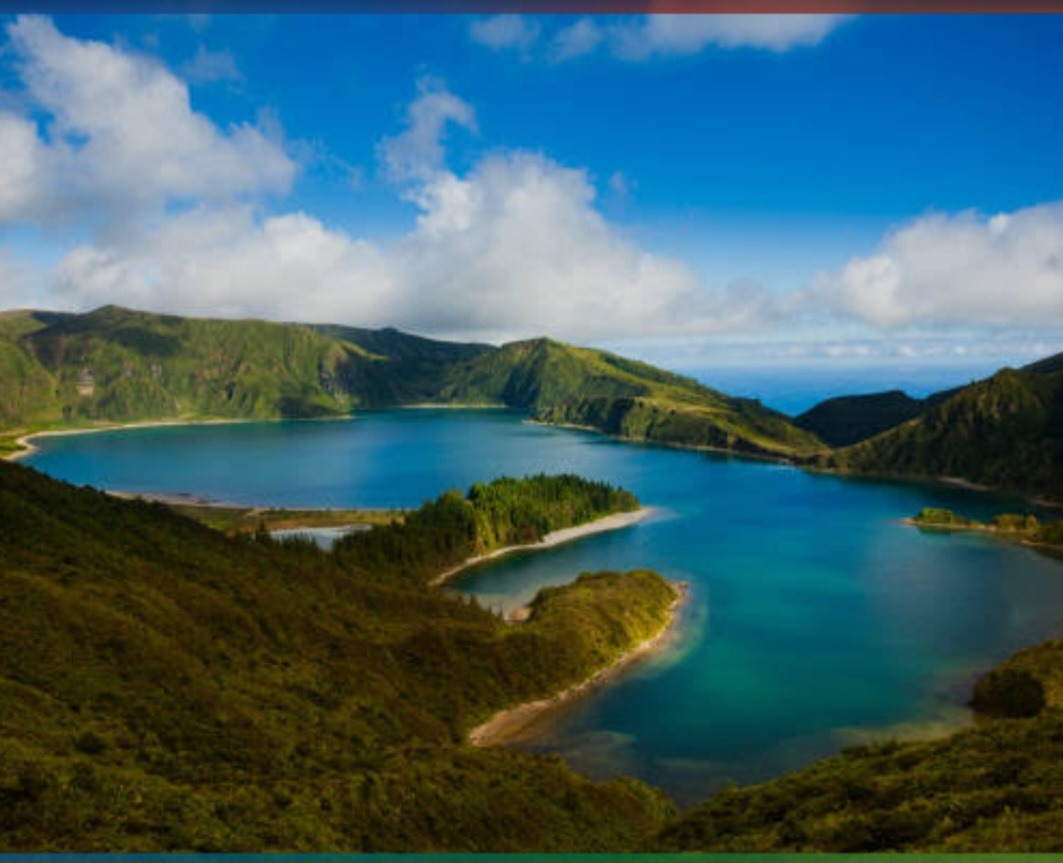
Flores, whose name literally translates to “Flowers,” is the westernmost island of the Azores archipelago in the Atlantic Ocean.
The island feels like a prehistoric, green wonderland. Waterfalls cascade down sheer green cliffs directly into the ocean, volcanic crater lakes shimmer in shades of blue and green, and wild hydrangeas carpet the hillsides. It is an eco-traveler’s dream, perfect for canyoning, hiking, and soaking in natural hot springs.
7. Aitutaki, Cook Islands
Aitutaki possesses what many travel writers consider the most beautiful lagoon in the world.
While it is part of the Cook Islands, most tourists stay on the main island of Rarotonga, leaving Aitutaki’s central lagoon wonderfully quiet. Take a water taxi to One Foot Bay—a tiny, uninhabited islet in the lagoon where you can get your passport stamped at the world’s smallest post office—and spend the day snorkeling among giant blue clams.
8. Con Dao, Vietnam
This small archipelago off Vietnam’s southern coast was once a brutal penal colony under French and American rule. Today, it has transformed into a peaceful national park and a spectacular marine sanctuary.
Con Dao features dramatic, jungle-covered mountains plunging straight into a turquoise sea. The main island, Con Son, has quiet coastal roads, colonial-era architecture, and beaches like Dam Tre Bay where you can swim in complete solitude. It is also one of the premier nesting grounds for green sea turtles in Vietnam.
9. Saba, Caribbean
Measuring just five square miles, Saba is a dormant volcano rising abruptly from the Caribbean Sea. Known as the “Unspoiled Queen,” it has no high-rises, no cruise ship docks, and—crucially—no natural sandy beaches.
So why go? Saba is a paradise for hikers and divers. You can climb “The Road” (a hand-built engineering marvel) up to the misty cloud forest of Mt. Scenery, or dive the dramatic underwater pinnacles that attract schooling sharks, turtles, and pristine coral formations.
10. Yap, Micronesia
For a cultural journey unlike any other, Yap in the western Pacific Ocean is an incredible destination.
Yap is famous for keeping its ancient traditions alive, most notably its “stone money”—huge, circular limestone discs up to 12 feet in diameter that are still used for ceremonial transactions. Beyond its fascinating culture, Yap is surrounded by a deep barrier reef and home to a resident population of manta rays, making it a dream destination for scuba diving enthusiasts looking for untouched marine environments.
5 Practical Tips for Visiting Hidden Island Destinations
Reaching these secret islands is incredibly rewarding, but it does require a bit more planning than booking a standard package holiday. Keep these tips in mind to ensure a smooth journey:
Embrace Slower Travel: Many of these islands require multiple steps to reach—think regional flights, ferry rides, and local speedboats. Do not rush; treat the journey as part of the adventure.
Pack for Self-Sufficiency: ATMs, high-speed Wi-Fi, and pharmacies can be rare on remote islands. Bring plenty of local cash, a basic first-aid kit, and reef-safe sunscreen.
Respect the Local Community: When visiting low-tourism areas, you are a guest in someone’s home. Dress modestly when walking through local villages, ask permission before taking photos, and learn a few words of the local language.
Leave No Trace: Isolated islands often struggle with waste management. Carry reusable water bottles, avoid single-use plastics, and always pack out whatever you pack in.
Secure Travel Insurance: Because medical facilities on these islands are often basic, make sure your travel insurance covers emergency medical evacuation—especially if you plan to dive or hike.
The True Luxury of Travel: In a world where every corner of the globe is mapped and photographed, the ultimate luxury isn’t a five-star resort. It is finding a place that feels completely wild, quiet, and undiscovered.