We have all seen the classic Southeast Asia travel reel: fighting for a clean patch of sand in Phuket, dodging selfie sticks at Angkor Wat, or waiting in a two-hour line just to take a photo at a Bali swing.
But Southeast Asia’s authentic magic hasn’t disappeared—it has just moved off the beaten path.
If you are craving the romance of empty, white-sand beaches and the spiritual stillness of forgotten jungle ruins, you need to change your itinerary. These 5 spectacular, under-the-radar destinations in Thailand, Cambodia, and Indonesia offer pure, crowd-free paradise. Visit them now before they go viral.
The Ultimate Off-the-Grid Cheat Sheet
Before diving into the details, here is a quick look at where these hidden gems are located and what makes them worth the journey:
Destination & Country—————Core Vibe—————The Secret Beach———— The Quiet Temple
Koh Kood (Thailand)——–Untamed Island Luxury——– Ao Tapao & Ao Phrao ——-Khao Rearm (Jungle)
Banteay Chhmar (Cambodia)– Deep Ancient History– N/A (Jungle Reservoir)—–Banteay C Complex
Sumba Island (Indonesia)–Wild —-Tribal Frontier Tarimbang Beach–Marapu Cult Sites & Stone Tombs
Khanom (Thailand)–Eco-Travel & Local Life—————-Nadan Beach—————–Wat Chedi
Nusa Ceningan (Indonesia)— —-Slow-Paced Surf Escape———-Secret Beach——- Pura Bakung
- Koh Kood, Thailand: The “Anti-Phuket” Paradise
While millions of travelers head to Phuket or Koh Samui, Koh Kood remains a masterclass in slow living. Located in the Gulf of Thailand near the Cambodian border, it is Thailand’s fourth-largest island but remains incredibly undeveloped. There are no neon lights, no chains, and no rowdy nightlife tracks—just pure coastal bliss.
The Secret Beach: Ao Tapao & Ao Phrao
Ao Tapao features a long, sweeping arc of powdery white sand shaded by leaning coconut palms. The water here is shockingly clear—so translucent that you can spot schools of small fish around your ankles without a snorkel mask. If you want even more seclusion, head to the southern tip at Ao Phrao, where the jungle meets the ocean and you will likely have the entire shore to yourself.
The Quiet Temple: Khao Rearm Deep Jungle Shrines
Koh Kood is mostly known for its coast, but stepping into its interior reveals old-growth rainforests. Hidden among the giant Macca trees are small, locally revered shrines like Khao Rearm. Instead of gold-plated roofs and massive tour buses, you will find simple stone statues draped in saffron robes, completely surrounded by the hum of cicadas and wild birds.
2. Banteay Chhmar, Cambodia: The Forgotten Angkor
Everyone knows Angkor Wat, but fewer than 1% of travelers make the journey northwest to Banteay Chhmar. Built by King Jayavarman VII in the late 12th century, this massive temple city was swallowed by the Cambodian jungle for over 800 years. Today, it remains beautifully raw and almost completely free of tourists.
Local Insight: Unlike Angkor, where ruins are carefully roped off, Banteay Chhmar allows you to walk carefully among collapsed galleries and giant tree roots, evoking the raw excitement of 19th-century explorers.
The Quiet Temple: Banteay Chhmar Complex
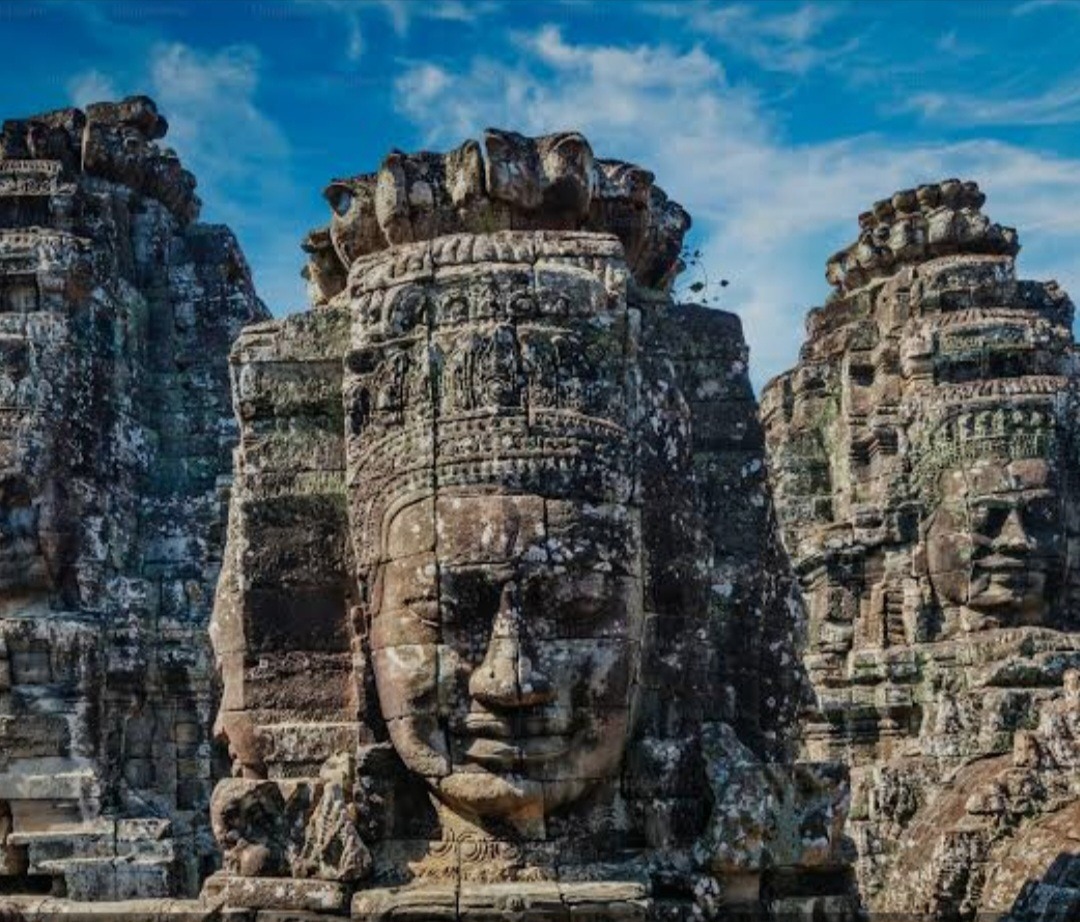
The main complex is a masterpiece of classic Khmer architecture, famous for its stunning reliefs of multi-armed Avalokiteshvaras (compassionate beings) and enigmatic stone faces peering through thick green vines. Because it is managed by a local Community-Based Tourism (CBT) initiative, your entry fee directly pays for local guides and village preservation.
The Water Escape: Baray Reservoir
While Banteay Chhmar does not have an ocean coastline, it features an ancient baray (an artificial body of water). Rent a traditional wooden boat from a local villager at dusk. Watching the sunset turn the sky deep shades of orange over a completely silent, lotus-filled ancient reservoir is an experience that crowded city lakes simply cannot match.
3. Sumba Island, Indonesia: The Wild, Forgotten Frontier
If you feel like Bali has become too commercialized, catch a quick one-hour flight east to Sumba. Sumba is twice the size of Bali, yet it feels centuries removed from modern life. It is a land of dramatic limestone cliffs, wild horses running along the surf, and an intact megalithic culture where locals still practice the ancient Marapu religion.
The Secret Beach: Tarimbang Beach
Located in the south, Tarimbang is a breathtaking crescent of white sand framed by massive, craggy cliffs. It is a legendary playground for surfers looking for uncrowded waves, but it is equally magical for swimmer-explorers. At low tide, the receding waters create mirror-like tidal pools across the sand.
The Spiritual Experience: Megalithic Villages & Ratenggaro
Sumba’s spiritual life centers on its traditional thatched-roof villages. In places like Ratenggaro, towering roofs reach up to 30 meters high to honor the spirits of ancestors.
Between these homes sit ancient stone tombs. Visiting these living historical sites feels incredibly respectful, authentic, and lightyears away from standard tourist attractions.
4. Khanom, Thailand: The Pink Dolphin Coast
Nestled along the mainland Gulf of Thailand in Nakhon Si Thammarat province, Khanom is a peaceful fishing town that most foreign travelers completely skip on their way to neighboring Koh Samui. Khanom’s unique draw is its pristine natural environment, which supports a rare population of resident pink Indo-Pacific humpback dolphins.
The Secret Beach: Nadan Beach
Nadan Beach is a straight, golden stretch of sand that runs for nearly 9 kilometers. You can walk for an hour here in the early morning and only pass local fishermen launching their colorful longtail boats. The water is warm and calm, making it an excellent spot for long, meditative ocean swims.
The Quiet Temple: Wat Tham Khao Wang & Wat Chedi
A short scooter ride inland takes you to Wat Tham Khao Wang, a serene temple built inside a natural limestone cavern. Sunlight streams through the cave ceiling, lighting up stalactites and peaceful Buddha statues.
For a unique cultural experience, you can also visit nearby Wat Chedi, a lively temple dedicated to Ai Khai (a legendary boy spirit). It is a major pilgrimage site for Thai locals wishing for good luck, but it sees very few Western visitors.
5. Nusa Ceningan, Indonesia: Bali’s Hidden Secret
Tucked neatly between Nusa Lembongan and Nusa Penida is the smallest of the three sister islands: Nusa Ceningan. Connected to Lembongan by a narrow, iconic yellow suspension bridge, this tiny island is easily explored on a scooter and captures the laid-back, bohemian surf vibe that Bali was famous for decades ago.
The Secret Beach: Secret Beach (Ceningan)
True to its name, this small cove is tucked away behind a winding jungle path on the island’s southern coast. Protected by rocky headlands, it offers clear turquoise waters and soft white sand. It is the perfect place to lay down a towel, read a book, and listen to the crashing waves without anyone trying to sell you a souvenir.
The Quiet Temple: Pura Bakung
While most day-trippers rush straight to the famous Blue Lagoon cliff jump, the island’s spiritual heart sits quietly on its highest ridge at Pura Bakung. This temple offers sweeping views of the seaweed farms below and the Bali mainland across the water. Visiting during an evening ceremony allows you to experience traditional Hindu prayers under the stars, completely away from the crowds.
How to Travel Responsibly in Hidden Gems
When exploring places before the crowds arrive, your travel footprint matters. Use these guidelines to keep these spots pristine:
Support local community initiatives: Stay in family-run guesthouses and hire local guides. This ensures your money directly benefits the community.
Be mindful of resources: Remote islands like Koh Kood and Sumba have limited fresh water and waste management systems. Keep plastic use to an absolute minimum.
Dress respectfully at religious sites: Always cover your shoulders and knees when visiting temples in Cambodia, Thailand, and Indonesia.
The window to see these places in their quiet, pristine state is open right now. Pack your bags, step off the main path, and discover the true soul of Southeast Asia.