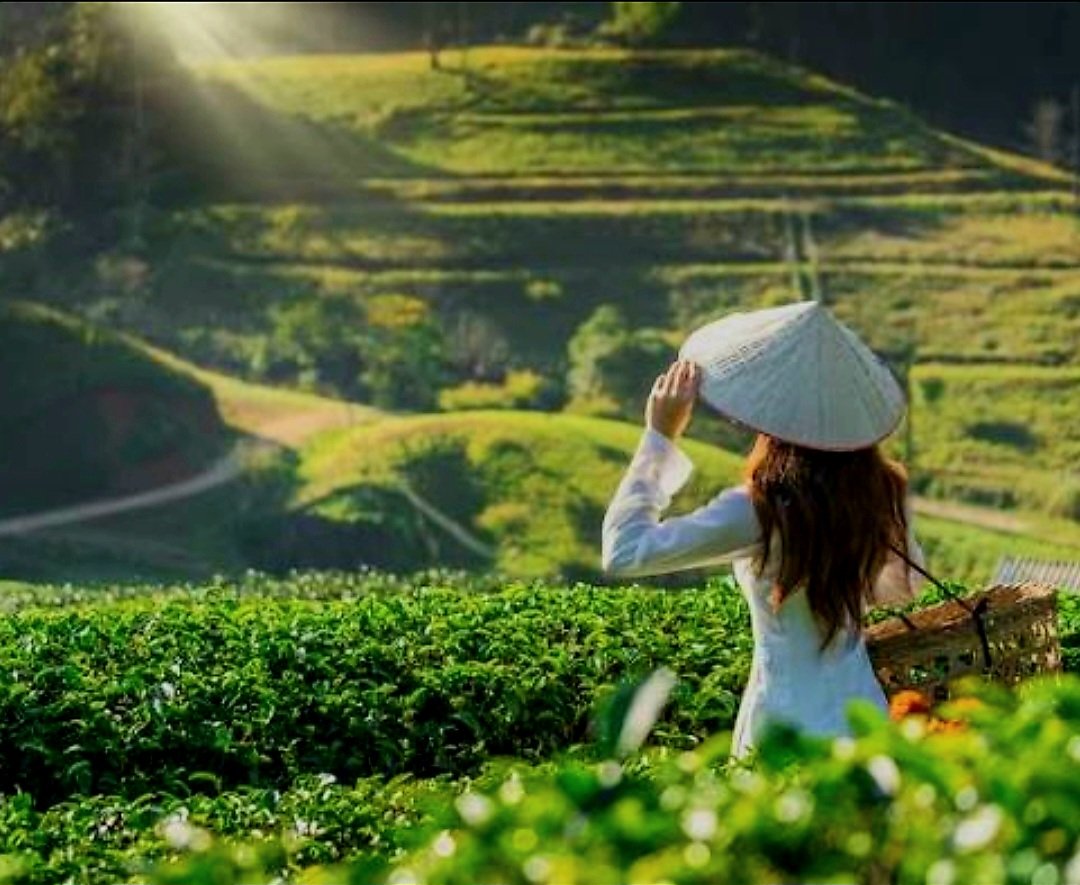
Living at the lap of lash green nature with polutionless invironement is the demand of today’s modern traveler and that is why new wave of travel taking over our feeds, and it’s called Agritourism 2.0.
Forget the “Old Macdonald” stereotypes. We’re talking about boutique stays in the rolling hills of Tuscany, luxury “glamping” pods in the middle of organic orchards in Oregon, and high-end vineyard retreats in the Douro Valley. It’s the ultimate “digital detox” that swaps screen glare for sunset hues—all without requiring you to shovel a single stall.
If you’re looking to reconnect with the earth (but still want high-thread-count sheets), this is your beginner’s guide to the world of luxury farm stays.
What Exactly is Agritourism? (The 2026 Version)
At its core, agritourism is any agriculturally based operation or activity that brings visitors to a farm or ranch. In the past, this was limited to pumpkin patches or dusty “pick-your-own” berry fields.
Today, it has evolved into Regenerative Leisure. Modern travelers want to know where their food comes from, but they also want to sip a glass of biodynamic wine while watching the harvest. It’s about immersion without exhaustion.
Why It’s Trending Right Now
- The “Analog” Craving: In a world of AI and VR, the physical sensation of soil, the taste of a sun-warmed tomato, and the sound of silence are the new luxury.
- Sustainability: Staying on a farm often means a lower carbon footprint and directly supporting local ecosystems.
- The “Slow Food” Movement: You aren’t just eating local; you’re sleeping 50 yards from where your breakfast was grown.
5 Types of Farm Stays for the “Work-Averse” Traveler
You don’t have to be a rugged outdoorsman to enjoy agritourism. Here are the most popular styles of stays trending this year:
1. The Vineyard Villa (The “Oenophile’s Dream”)
This is the gateway drug of agritourism. Places like Mendoza, Argentina, or the Piedmont region in Italy offer stays where the “work” involves a guided tour of the fermentation room and a workshop on how to identify notes of leather and cherry.
- The Vibe: Elegant, boozy, and highly Instagrammable.
2. The Luxury Olive Grove
Common across the Mediterranean (Greece, Spain, Croatia), these stays often feature restored stone farmhouses with infinity pools. You can participate in an olive oil tasting or watch the press in action during the fall, but your main job is lounging under a silver-leafed tree.
3. The “High-Design” Homestead
Found frequently in the Pacific Northwest (USA) or New South Wales (Australia), these are working cattle or sheep ranches that have built architectural masterpieces for guests. Think floor-to-ceiling glass walls looking out over grazing herds.
- The Hook: You get the rugged aesthetic of a ranch with the amenities of a five-star hotel.
4. The Tea & Spice Plantation
Heading East? Sri Lanka and Kerala, India offer incredible stays within tea estates. You can walk through the emerald-green trails with a guide who explains the delicate process of tea plucking, then return to a colonial-style bungalow for high tea.
5. The Alpine Dairy Retreat
In the Swiss or Austrian Alps, “Heidiland” is real. You can stay in a mountain hut where cheese is made daily. The “chore”? Walking a few hundred yards to a nearby waterfall to build up an appetite for fondue.
How to Choose a Farm Stay That Isn’t Secretly a Labor Camp
The biggest fear for beginners is accidentally booking a “WWOOFing” style experience (World Wide Opportunities on Organic Farms), where you are expected to work in exchange for food and board.
To ensure your stay feels like a vacation, look for these three keywords in the description:
- “Guest-Centric”: This implies the farm is run for your enjoyment, not your labor.
- “Curated Experiences”: This means activities (like cheesemaking or honey harvesting) are scheduled workshops, not daily requirements.
- “Boutique/Luxury”: These are the magic words that guarantee a hot shower and a plush robe.
The “Chore-Free” Activity Menu: What to Actually Do
So, if you aren’t milking cows at dawn, how do you spend your time? Agritourism 2.0 is all about Skill-Acquisition.
- Foraging Walks: Join a resident specialist to find wild mushrooms, herbs, or edible flowers that will be used in your dinner that night.
- Apiary Tours: Put on a (very safe) bee suit and learn about the fascinating world of honey production. Most luxury stays will end this with a honey-and-cheese pairing.
- Natural Dye Workshops: Many sheep farms now offer classes on how to use farm-grown plants to dye silk or wool.
- The “Farm-to-Table” Cooking Class: This is the gold standard. You harvest the ingredients in the afternoon and cook them with a chef in the evening.
Packing List: Farm-Core vs. Reality
You want to look the part without being impractical. The “Coastal Grandmother” aesthetic has shifted into “Farm-Core Chic.”
| Item | Why You Need It |
|---|---|
| Chelsea Boots | Easier to clean than sneakers; more stylish than heavy hiking boots. |
| Linen Layers | Breathable for the day, but keeps the evening chill (and bugs) off. |
| A Wide-Brimmed Hat | Essential for those mid-day orchard walks. |
| Polarized Sunglasses | To see the landscape in high-def without the glare. |
| Portable Power Bank | Farms are big; you don’t want your phone dying while you’re chasing the perfect sunset sheep photo. |
3 Modern Agritourism Destinations to Watch in 2026
If you’re ready to book, these three regions are currently the “hidden gems” of the niche:
- Alentejo, Portugal: Often called the “new Tuscany,” this region is famous for cork forests and massive wine estates that have recently opened hyper-modern eco-lodges.
- The Catskills, New York: A haven for city-dwellers, offering “farm-stays-lite” where you can pet a goat in the morning and eat a Michelin-star meal at night.
- Hokkaido, Japan: Known for its incredible dairy and flower farms. Staying at a ryokan on a working lavender or dairy farm is a sensory experience unlike any other.
Final Thoughts: The Soul-Fill You Didn’t Know You Needed
We spend so much of our lives in climate-controlled offices and digital environments that we’ve forgotten the simple satisfaction of seeing something grow. Agritourism isn’t about becoming a farmer; it’s about remembering that we are part of a cycle.
When you spend three days waking up to the sound of a rooster (from a distance!) and eating eggs that were laid that morning, something in your nervous system resets. You return to the city not just rested, but grounded.
And the best part? You didn’t even have to clean the chicken coop.